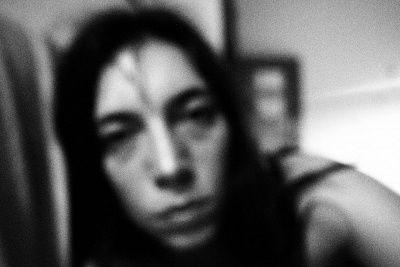
Teresa Molon nasce a Vicenza nel 1989.
Si innamora della fotografia guardando le vecchie foto di sua nonna e per i primi scatti usa una Zenit con pellicola in bianco e nero. Grazie agli studi universitari in Culture e Tecniche della Moda approfondisce la storia dell’evoluzione del mezzo fotografico. La sua passione diventa più profonda studiando le pietre miliari della fotografia, riconoscendo le sue muse ispiratrici in Nan Goldin, Diane Arbus, Francesca Woodman, Claude Cahun. Grande lettrice, le sue opere sono influenzate anche dalla poesia haiku, dalla malinconia dei romanzi di George Simenon, e dalla sua appartenenza ai bar e alla strada. Il suo motto è “sempre alla ricerca della bellezza nello sporco”.
Al centro del suo lavoro ci sono due concetti zen, estetici e filosofici. Satori, che viene riproposto secondo il principio dell’annientamento tra il soggetto (chi fotografa) e l’oggetto (la persona fotografata): nel momento dello scatto entrambi diventano uno. La sua estetica si lega invece al wabi sabi, dove la bellezza incompleta e impermanente porta alla luce anche l’invisibile, con toni duri, sfumati e ruvidi. Dal 2018 studia e si concentra sui fotografi giapponesi tra cui Daido Moriyama, Araki e il gruppo fondatore di Provoke e dello stile ARE-BURE-BOKE.
Dal 2011 è madre di una creatura selvaggia.
